The Ming Library
Understand the body through ancient medicine and contemporary life
A curated knowledge system across Body, Food, Rhythm, Medicine, and Lived practice — source shelves for Ming’s educational worldview, not a generic reading list.
How to read this library
Ancient lens → contemporary evidence → Federica’s clinical sense → everyday practice. Essays and seasonal notes live in the Journal; the Library holds the source shelves beneath them.
Territories
Foundational Chinese medicine
Accessible bridges into Chinese medicine’s relational view of health — constitution, pattern, and people rather than isolated symptoms — plus classical roots Ming translates into contemporary life.
book
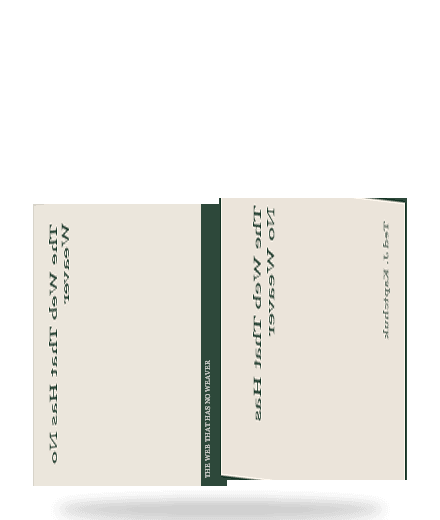
The Web That Has No Weaver
Ted J. Kaptchuk
An accessible bridge between Western assumptions about health and Chinese medicine’s relational model of the body.
Tap the book to view on AmazonWhy Ming recommends it
Probably the strongest intellectual foundation for Ming’s Journal — it helps patients see pattern and relationship rather than isolated symptoms.
book
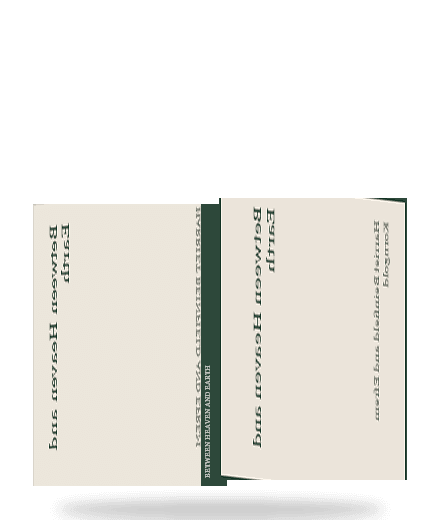
Between Heaven and Earth
Harriet Beinfield and Efrem Korngold
A human, philosophical introduction to constitutions, patterns, and why Chinese medicine treats people rather than isolated symptoms.
Tap the book to view on AmazonWhy Ming recommends it
Useful when explaining why two people with the same complaint may receive different care — constitution and pattern matter.
book
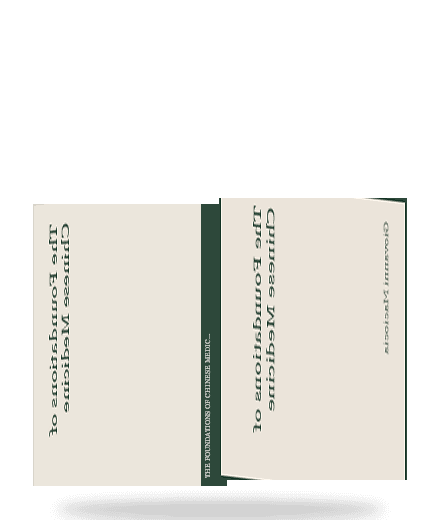
The Foundations of Chinese Medicine
Giovanni Maciocia
Practitioner-level reference covering theory, patterns, and clinical frameworks of Chinese medicine.
Why Ming recommends it
Behind-the-scenes rigor when developing educational material — not primary patient reading, but it keeps Ming’s teaching clinically grounded.
Best suited for practitioners and advanced students.
Tap the book to view on Amazon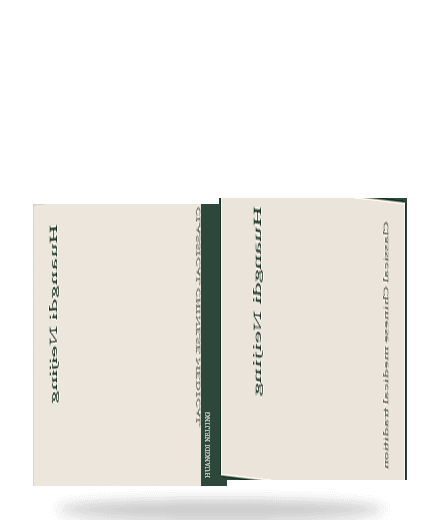
book
Huangdi Neijing (Yellow Emperor’s Inner Classic)
Classical Chinese medical tradition
The classical intellectual root of Chinese medicine — cosmology, physiology, and living in rhythm with nature.
Why Ming recommends it
Ming periodically translates ideas from the Neijing into contemporary life rather than expecting patients to read the source itself.
Encounter through Ming’s teaching and Journal essays; full classical texts are dense for first-time readers.
Tap the book to view on Amazon
Food as medicine
Not generic healthy eating. These titles help patients ask what this season asks of the body: warming or cooling? nourishing or moving? drying or moistening?
book
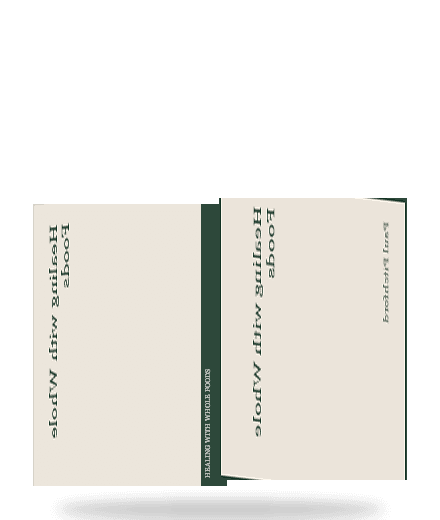
Healing with Whole Foods
Paul Pitchford
A substantial bridge between Chinese dietary therapy and contemporary whole-food nutrition.
Tap the book to view on AmazonWhy Ming recommends it
Gives people something concrete to practice between appointments — food energetics without collapsing into generic diet advice.
book
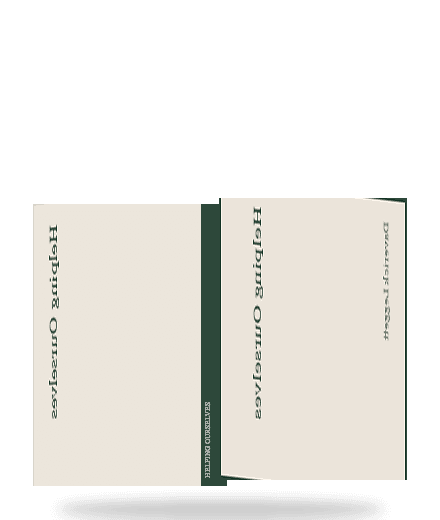
Helping Ourselves
Daverick Leggett
A practical, approachable guide to understanding food through Chinese medicine patterns.
Tap the book to view on AmazonWhy Ming recommends it
Clearer entry point than denser dietary encyclopedias when patients want pattern-based food thinking they can use at home.
book
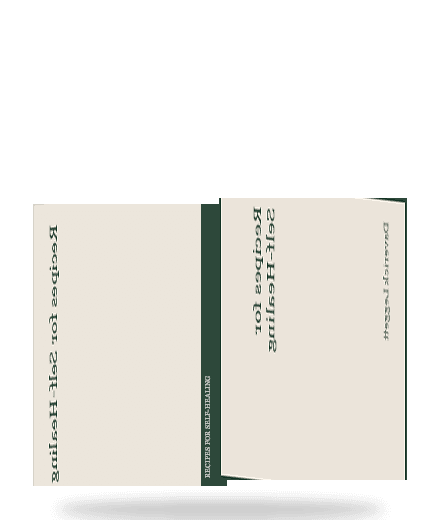
Recipes for Self-Healing
Daverick Leggett
Recipe-centered inspiration for seasonal cooking informed by Chinese dietary therapy.
Tap the book to view on AmazonWhy Ming recommends it
Particularly useful if Ming develops seasonal recipes, food guides, or patient handouts — kitchen practice, not abstract theory.
Body, stress, and regulation
Where Chinese medicine’s experiential observations meet contemporary stress physiology — chronic load, recovery, and embodiment, used carefully rather than as trauma-centered branding.
book
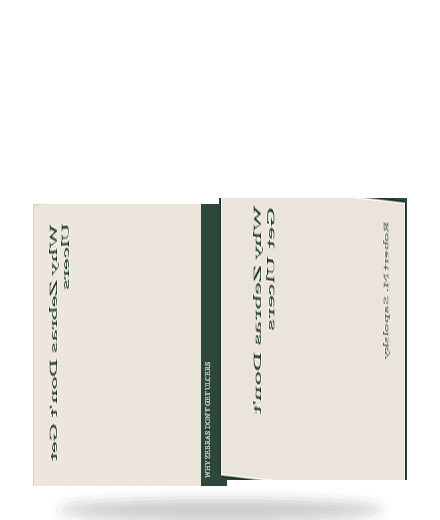
Why Zebras Don't Get Ulcers
Robert M. Sapolsky
Scientific grounding for chronic stress and its systemic consequences across the body.
Tap the book to view on AmazonWhy Ming recommends it
Excellent bridge when explaining what Chinese medicine observed experientially and what contemporary physiology can now describe in different language.
book
Burnout
Emily and Amelia Nagoski
An accessible framework for stress cycles and why removing a stressor is not the same as completing the stress response.
Tap the book to view on AmazonWhy Ming recommends it
Helps patients understand regulation as a physiological process — useful alongside acupuncture, rest, and paced recovery.
book
The Body Keeps the Score
Bessel van der Kolk
Influential background reading on embodiment, trauma, and how experience lives in the body.
Tap the book to view on AmazonWhy Ming recommends it
Used selectively as background rather than making trauma discourse central to Ming’s positioning — embodiment without centering the practice on trauma branding.
Rhythm, seasonality, and living well
Sleep, daily timing, and Five Phase thinking as frameworks for seasons, food, activity, rest, and adaptation — not personality archetypes.
book
Why We Sleep
Matthew Walker
A widely read entry point into sleep science and why rest is foundational to health.
Tap the book to view on AmazonWhy Ming recommends it
Useful doorway into sleep and circadian health; individual claims should be checked against newer sleep literature before publishing patient handouts.
book
The Circadian Code
Satchin Panda
Connects daily rhythms, eating patterns, sleep, and physiology through circadian biology.
Tap the book to view on AmazonWhy Ming recommends it
Strong resource for linking when we eat and rest with how the body repairs — a contemporary parallel to living in rhythm.
other
Five Phases / Five Elements
Classical Chinese medicine tradition
A library note on the Five Phase tradition as a framework for seasons, environmental change, food, activity, rest, and adaptation.
Why Ming recommends it
Used carefully — not as personality archetypes. It gives Ming language for seasonal living and how the environment asks different things of the body across the year.
Encounter through Ming teaching, Journal notes, and seasonal guidance — not a standalone quiz or typology.
Evidence and standards
Authoritative sources for what acupuncture research currently supports, and institutional anchors for professional continuing education.
article
Acupuncture: Effectiveness and Safety
National Center for Complementary and Integrative Health (NCCIH)
U.S. government overview of what acupuncture research currently does — and does not — support.
Open resourceWhy Ming recommends it
Authoritative public-facing source when discussing evidence honestly with patients and referring clinicians.
Amazon links are for convenient ordering. We may earn from qualifying purchases.
From the Journal
Essays and seasonal notes live in the Journal — where shelves become lived teaching.
Visit the JournalProfessional standards and research literacy
Separated from the public shelves: institutional resources Federica uses for standards, research literacy, and continuing education.
National Certification Commission for Acupuncture and Oriental Medicine
Professional standards and continuing education for acupuncture and Oriental medicine practitioners.
Open resourceSociety for Acupuncture Research
Research community focused on acupuncture and East Asian medicine evidence literacy.
Open resourcePubMed
Primary biomedical literature index for locating and evaluating clinical research.
Open resource
In-person products
Examples under preparation for the practice. Shown only as inquiry placeholders until pricing, claims, and practitioner approval are confirmed. Not available for online purchase.
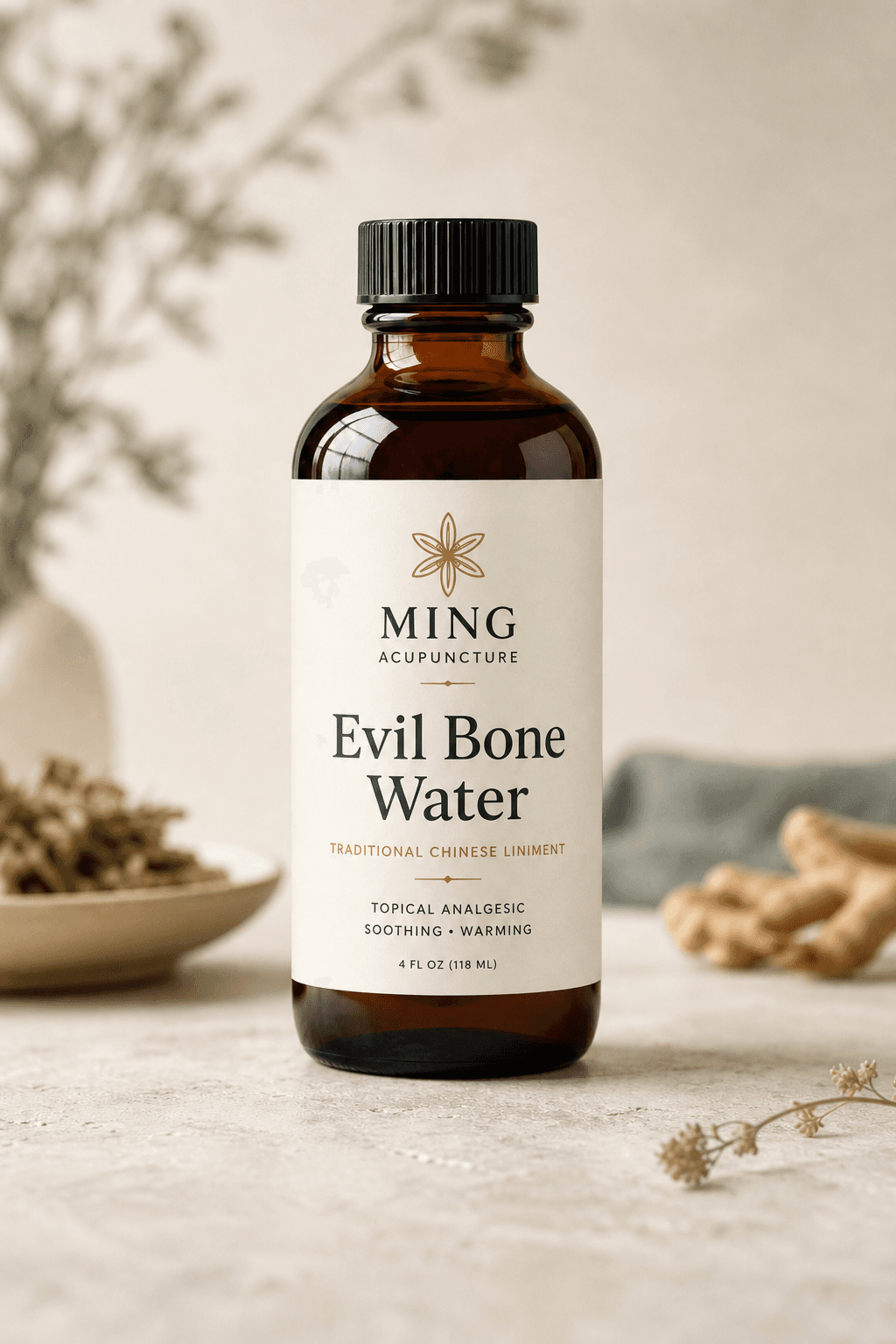
Evil Bone Water
Available for inquiry in the practice. Product details and appropriate use are confirmed with a practitioner.
Inquire at the practice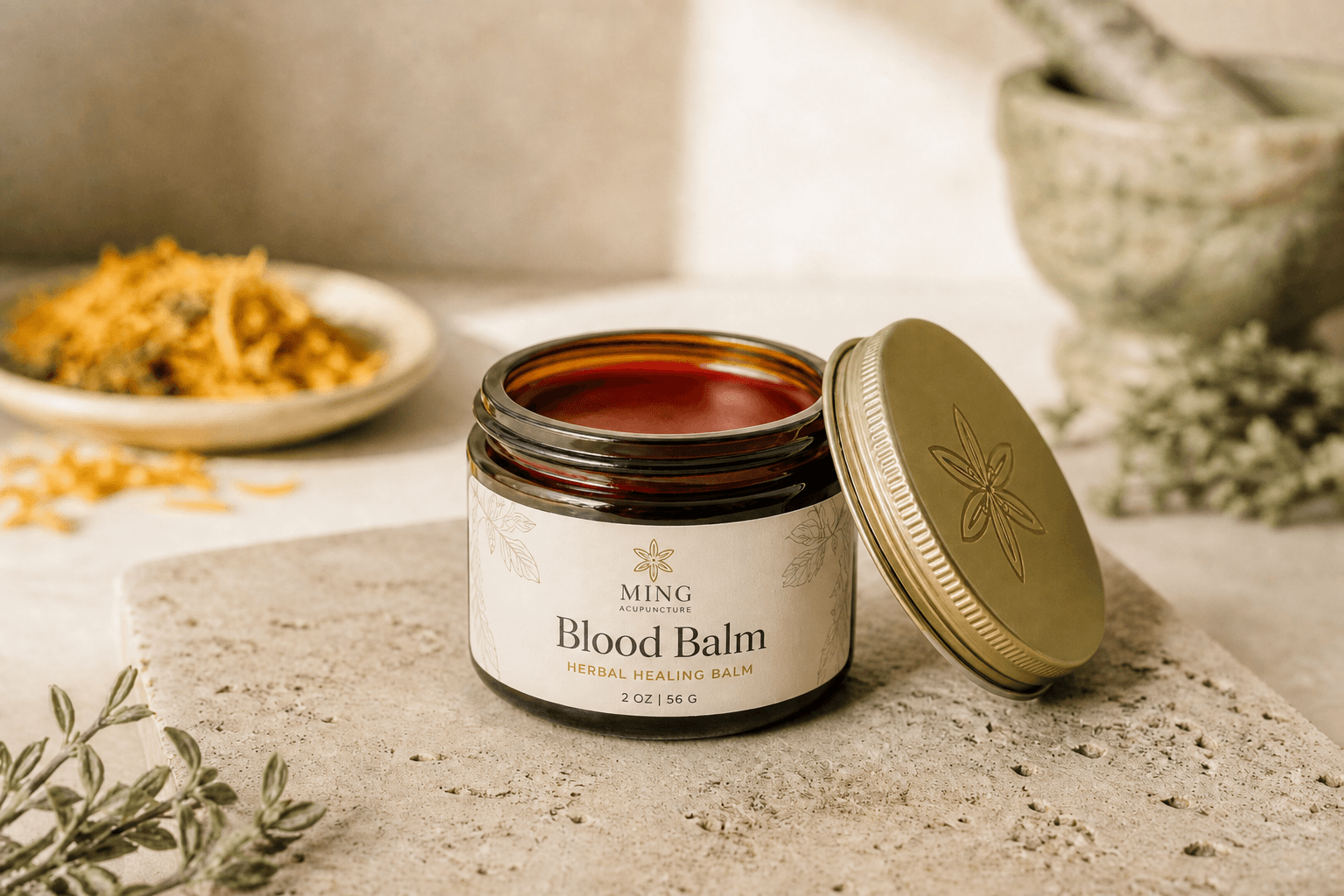
Blood Balm
Available for inquiry in the practice. Product details and appropriate use are confirmed with a practitioner.
Inquire at the practice