
Anxiety, Stress, and Sleep
Care that may support relaxation, reduced physical tension, and healthier sleep routines as part of a broader plan.
Common concerns
- Difficulty settling
- Stress-related tension
- Racing thoughts
- Sleep disruption
- Nervous-system regulation
- Rest and recovery
How we approach this
Treatment may include acupuncture and related modalities to support calm and recovery capacity. We avoid claiming that every treatment lowers cortisol, stimulates the vagus nerve, or “resets” the nervous system.
Modalities that may be used
- Acupuncture
- Bodywork
- Lifestyle guidance
Treatment may support relaxation, reduced physical tension, and healthier sleep routines as part of a broader care plan. Results vary.
Acute psychiatric emergencies and suicidal crisis require immediate specialized or emergency care—not a general acupuncture visit.
Recommended reading
Further study from The Ming Library — curated titles with editorial rationale, not a generic shopping list.
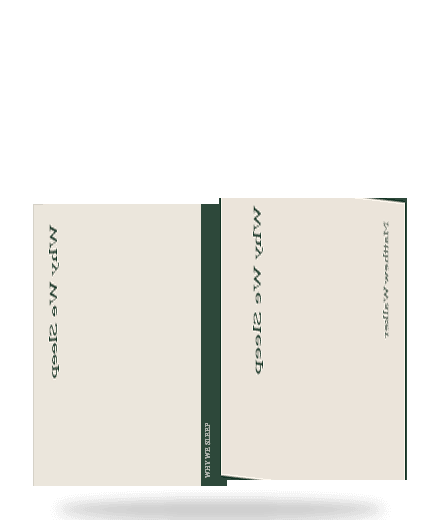
Why We Sleep
Matthew Walker
Useful doorway into sleep and circadian health; individual claims should be checked against newer sleep literature before publishing patient handouts.
Tap the book to view on Amazon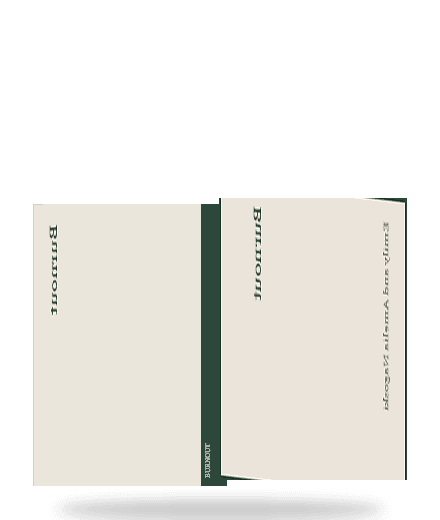
Burnout
Emily and Amelia Nagoski
Helps patients understand regulation as a physiological process — useful alongside acupuncture, rest, and paced recovery.
Tap the book to view on Amazon
Why Zebras Don't Get Ulcers
Robert M. Sapolsky
Excellent bridge when explaining what Chinese medicine observed experientially and what contemporary physiology can now describe in different language.
Tap the book to view on Amazon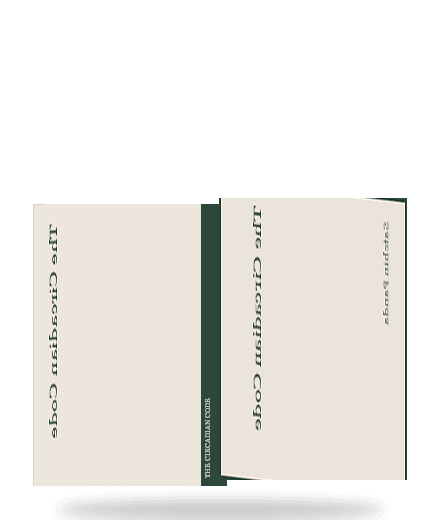
The Circadian Code
Satchin Panda
Strong resource for linking when we eat and rest with how the body repairs — a contemporary parallel to living in rhythm.
Tap the book to view on Amazon
Amazon links are for convenient ordering. We may earn from qualifying purchases.
Explore the full Library