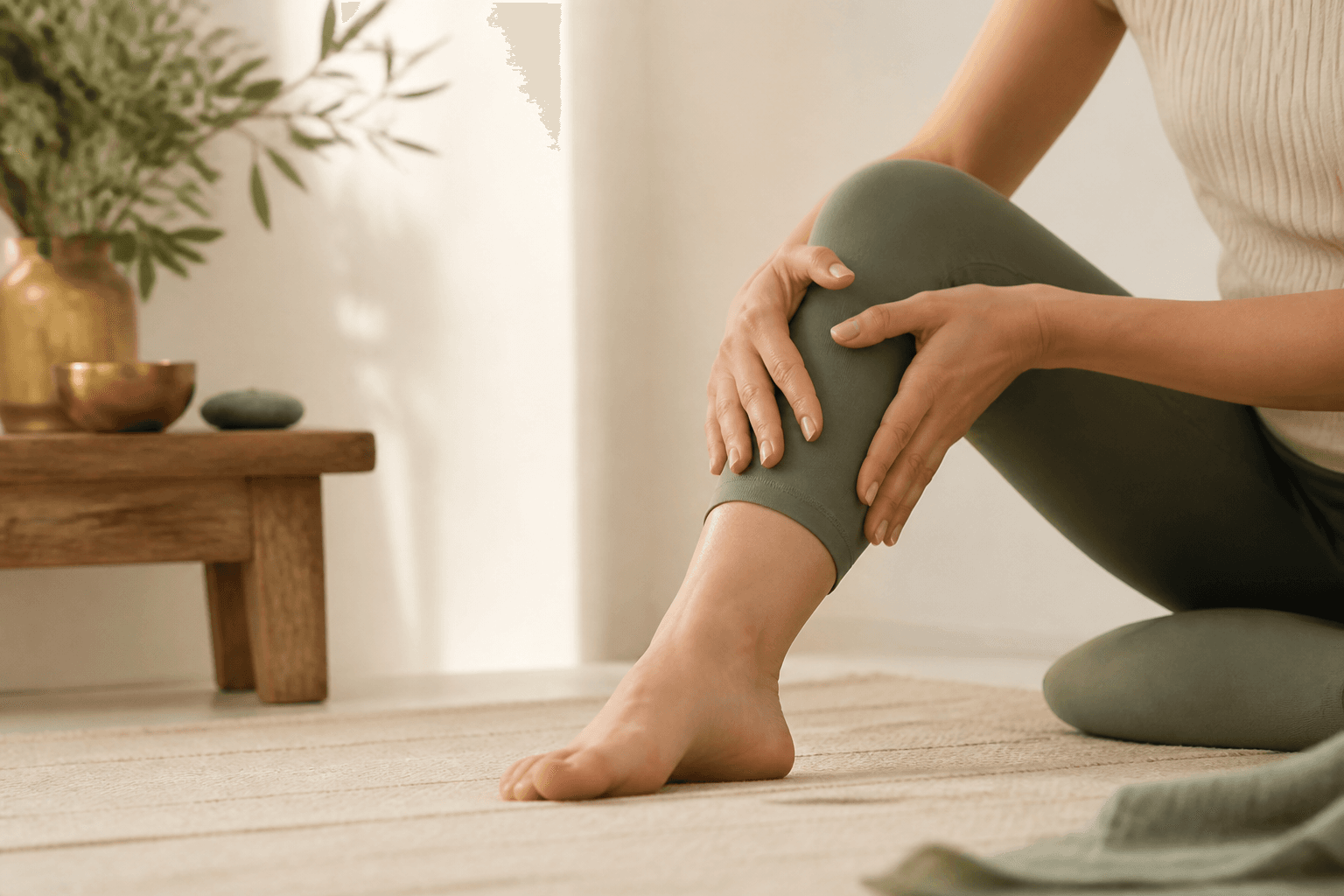
Pain Management and Functional Movement
Care for persistent, recurring, or lingering pain that emphasizes restored movement, strength, and resilience—not only temporary symptom relief.
Common concerns
- Persistent or recurring musculoskeletal pain
- Plantar fasciitis and heel pain that has not settled with stretching or orthotics
- Lingering injuries
- Postural and functional concerns
- Pain that interferes with daily movement
- Recovery that has plateaued
How we approach this
We consider how nervous, skeletal, and muscular systems interact. Treatment may integrate acupuncture, dry needling when appropriate, bodywork, and practical movement guidance so pain care supports more comfortable function over time.
Modalities that may be used
- Acupuncture
- Dry needling when appropriate
- Therapeutic bodywork
- Cupping or gua sha when indicated
- Movement or postural guidance
From the Journal
Acupuncture and related techniques may support pain modulation, muscle function, mobility, and the restoration of more comfortable movement. Individual responses vary.
Care may coordinate with physical therapy, chiropractic, or other clinicians when that better serves your goals.
Recommended reading
Further study from The Ming Library — curated titles with editorial rationale, not a generic shopping list.

Why Zebras Don't Get Ulcers
Robert M. Sapolsky
Excellent bridge when explaining what Chinese medicine observed experientially and what contemporary physiology can now describe in different language.
Tap the book to view on Amazon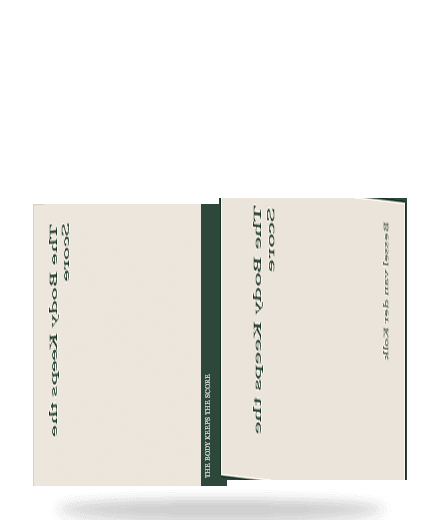
The Body Keeps the Score
Bessel van der Kolk
Used selectively as background rather than making trauma discourse central to Ming’s positioning — embodiment without centering the practice on trauma branding.
Tap the book to view on Amazon
Amazon links are for convenient ordering. We may earn from qualifying purchases.
Explore the full Library